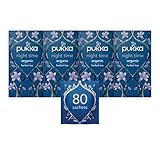
In theory Yes you can Home Compost Tea Bags. However, for those that have tried, you will know that it’s not quite so simple as that. Tea leaves and coffee grounds are a great addition to any Hotbin Home Composter. However, until recent years the teabag itself has been a major problem for the composting process. The UK government’s anti-waste advisory group WRAP suggests that tea bags are suitable for home composting and any remains of the bag in the end compost should be removed by hand or sieved out. These will then have to go into your home waste and will inevitably find their way into landfill anyway.
Table of Contents
Home Composting Solutions

Why do tea bags not compost completely?
The traditional tea bag we all think we know so well isn’t quite the simple little paper pyramid (other shapes are available) we imagine it to be. Typically tea bags are made from paper, which does indeed compost quite readily. So why would there be any remains of the teabag in the end compost? The manufacturing process of a teabag requires it to be sealed once it has been filled. This heat sealing process is achieved by weaving plastic (polypropylene) fibers into the bag itself. When heat is applied, the plastic melts and seals the bag. It is this oil-based plastic that does not break down in your home compost and potentially leaching contaminants into the soil.
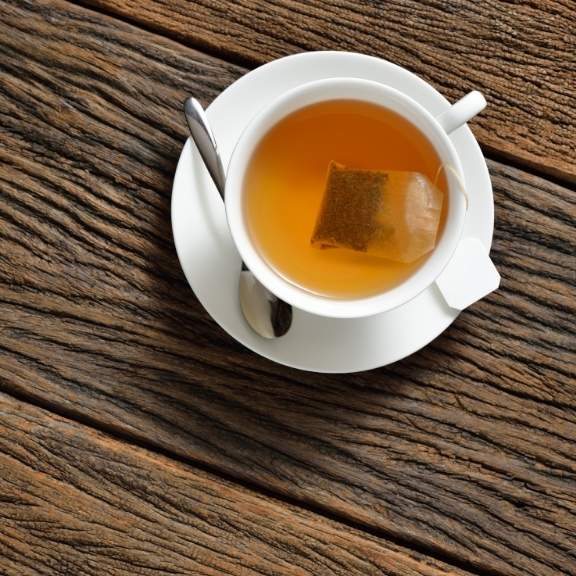
With growing awareness surrounding the inclusion of hidden plastics in our everyday items, more pressure is being applied to manufacturers to remove them at the source.

Plastic-free tea was seen as something of a luxury and only the niche brands were addressing the problem. One of the pioneers in the area of Plastic-Free tea is Teapigs. They were the first brand to be awarded the Plastic-Free Certification Mark from A Plastic Planet. There are now more and more brands, including our best-loved ones, that are all making strides towards producing their tea in Plastic-Free Teabags.
Is Plastic Free really Plastic Free?
The term “plastic-free” does itself come with a slight caveat. Even though manufacturers are mostly moving to Plant-Based polymers these themselves are still a form of plastic and in the case of tea bags do require specific conditions in order to successfully compost. The majority of new plant-based tea bags can be put in your council food waste bins for industrial composting, only a few are suitable for home composting, and even then can take up to 18 months to break down.
What about the packaging?
There really is no excuse for any manufacturer to sell their tea bags in anything other than 100% recyclable and/or compostable packaging. If we take a typical box of 2021 PG Tips Biodegradable Teabags, we now know the bags themselves are made with plant-based polymers. The packaging is 100% cardboard which can easily be recycled. Some cardboard packaging is compostable, however, be sure to understand whether any printing on the cardboard is suitable for home composting. Some traditional inks will contaminate the soil during the composting process.
Where some brands continue to insist on using a clear plastic outer wrapping there is now a solution for this problem too. A product known as NatureFlex, which looks and feels like plastic but is in fact made from wood pulp and is entirely home compostable in three to six months.
What else to look out for when home composting your teabags
Bleaching. This is the process of chemical chlorination in order to turn the paper fibres from the natural untreated brown colour to the white we have come to commonly associate with our tea bags. This is an entirely unnecessary process and is only carried out to beautify our tea bags.
Best practise for Composting Tea at home
First of all, know what type of teabag you are dealing with.
Some brands are still producing their tea in ‘normal’ plastic tea bags. Where this is the case it would be best practice to remove any tea from the bag and dry it out before adding it to your compost pile. Then the bag should be disposed of in your general household waste, where it will, unfortunately, end up landfill.
If you opt for a brand that makes a “plastic-free” teabag then some can go straight into your home compost hotbin. Even though there are few brands that claim to successfully compost at home, most require industrial composting conditions. Therefore best practice again would be to remove the contents from the bag and add it to your compost neat. Then you are perfectly able to add the plant-based plastic-free bag to your council food waste collection bin where it will be taken away for industrial composting
Is there an alternative solution to the Teabag?
Its clear to see the problem with a truly environmentally friendly cup of tea is the bag. So maybe it’s time to turn over a new Loose Leaf with your tea drinking habits.
You may have to sacrifice a little of the convenience that comes with a teabag and convert to drinking loose leaf tea. Not a bag in sight, plastic-free, fully recyclable packaging, and maybe most important of you will be enjoying what’s considered to be a far superior cuppa too
For more information on Loose Leaf tea check out our Blog HERE
Which teas are actually Home Compostable?
Hampstead Tea


Neals Yard


Pukka