
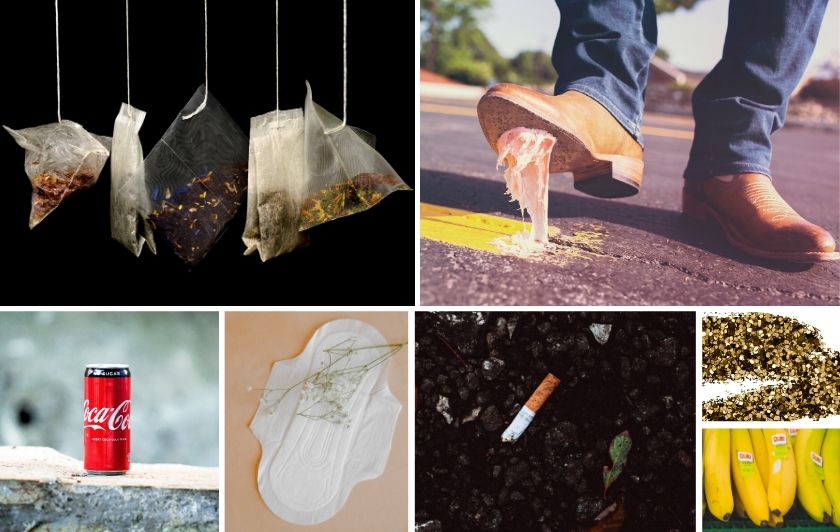
Plastics are hidden everywhere, even amongst so many of the everyday items that we may not realise. Because we may be unaware that an item contains plastic, we can find ourselves miss-using or disposing of the item incorrectly and this is when plastics can find their way into nature and end up polluting the environment.
Table of Contents
How many of the 15 everyday items below did you know contained plastic?
1. Teabags contain Plastic
Yes, that’s right! Even your sacred cup of tea can’t avoid plastic. The majority of mainstream teabags use a form of plastic (polypropylene) to seal the bag itself. It may seem like an insignificant amount of plastic, but when you consider that there are estimated to be 165 million cups of tea consumed each day in the UK alone, it puts the problem into perspective. Due to this seemingly small plastic content in teabags, the only way to dispose of it is to landfill. A standard tea bag should not be composted, but there are plastic-free alternatives.
The Solution for Plastic Free Tea
The great news for us tea-loving brits is that there are several plastic-free solutions to the teabag dilemma.
Plastic-Free Teabags
There are lots of varieties of plastic-free teabags on the market from brands such as Teapigs, Clipper and even PG Tips have recently committed to having their entire range of tees in biodegradable pyramid bags soon.

Loose-Leaf Tea
Another superb solution to avoid traditional plastic-laced teabags is to opt for loose leaf tea. There are some beautiful looking tea infusers available to buy that allow you to use loose-leaf tea and enjoy a rich, tasty cup of tea.
Do be mindful of the loose-leaf tea packaging, however. Some come in recyclable cardboard bags, yet with a foil or plastic liner which can be extremely difficult to recycle, so always check the description of the product first.

The Best Selling Plastic Free Tea


2. Chewing Gum contains Plastic
You’ll never chew on a piece of gum in quite the same again. The major gum brands such as Wrigleys, Airwaves, and Orbit produce their chewing gum with plastics such as polyethylene. These companies refer to this as their gum having a “gum base” which clearly sounds far more appetizing than plastic-based.
For a more in-depth look into Chewing Gum and the plastic-free alternatives check out our Blog HERE
The Solution – Plastic-Free Chewing Gum
There are a few great brands that are openly 100% Plastic Free with their Gum. Chewsy and Simply Gum both produce their Chewing Gum using a natural latex called Chicle, which is 100% biodegradable.

Natural Chewing Gum


3. Paper Coffee Cups contain Plastic
Over the years we’ve always had it drilled into our consciousness that paper is a good alternative material for certain products. Paper is natural and readily recycled, or so you would think!
Yes, paper Coffee Cups are a better alternative to Plastic and yes they can technically be recycled. However, paper coffee cups like the ones you get from Starbucks or Costa coffee do still contain plastic. Their inside is lined with a thin plastic coating in order to waterproof them. Separating this layer from the paper itself can be difficult and only a few specialist recycling plants in the UK have the capability to do so.
Estimates suggest that Starbucks alone sells in excess of 4 million cups of coffee a day, not all in paper coffee cups of course, but that’s still a lot of coffee cups.
The Solution – Re-Useable Cups
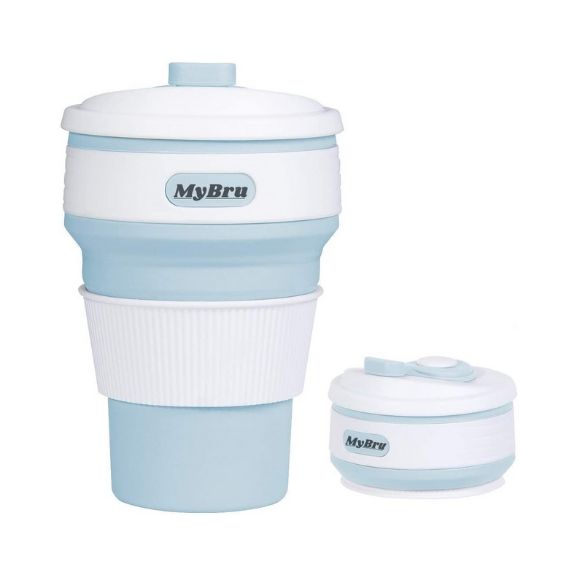
Investing in a reusable coffee cup is not only more environmentally friendly, but it also reduces plastic in the environment. There are hundreds on the market all touted as the perfect alternative to the disposable coffee cup. Options include glass, stainless steel, and even collapsible silicone cups that are perfect for keeping in your bag and expanding out in seconds ready for coffee time.
Best Selling Reusable Coffee Cups


4. Foil Crisp Packets contain Plastic
Those shiny crisp packets may look like aluminium foil and we all know aluminium is a great material to recycle – however, you would be forgiven for not knowing that in actual fact crisp packets are made from ‘metallised plastic’. A thin layer of aluminium coats the plastic in order to protect the product and extend its shelf-life. The same aluminium coated plastic films are used on chocolate bars.
This metallized plastic film can be recycled, however, it is yet another example of where there just isn’t the infrastructure in place to do so effectively. Since 2018 Walkers have offered a recycling service, where customers can return their packets to them for recycling. Definitely an initiative in the right direction, but a fully compostable bag is the way forward.
For more information on the Walkers Recycling initiative Click Here
The Solution to Crisps in Plastic Bags
There are now a few brands that offer their crisps in 100% compostable bags. Two Farmers are one of those brands that have a great green ethos and their bags will home compost in 26 weeks.

Compostable Crisps


5. Drinks Cans contain Plastic
Just as with metallised aluminium foil used in crisp packets, aluminium drinks cans are also lined with a plastic film. This plastic film provides a protective barrier between the liquid and the metal. Without the plastic film, the two would react with each other and the can would rapidly corrode. Fortunately, due to the recycling process of aluminium the plastic film does not prevent the recycling taking place, however, there are still better eco-friendly alternatives.
The Solution to Plastic Drinks Cans
If you absolutely can’t live without your Coca-Cola fix but you now can’t get that hidden plastic lining out of your head, then there is of course always the glass bottle option. Glass bottles are fully recyclable, however, you will come to learn that not even the glass bottle option is entirely plastic-free and due to the glass being far heavier in weight, they do leave a much larger carbon footprint when transporting them. Try to find a re-fill point and use a re-usable cup where possible.
6. Jars with Lids contain Plastic
In years gone by companies would use cork to act as a seal on the metal lid of a glass jar or the caps on to glass drinks bottle. However, they now use plastic to do this job.
It is now advised that when recycling glass jars that their lids can be left on. This is due to the very high temperatures used to recycle metal lids. Any traces of plastic are burnt away. This is not ideal as there will still be some polluting gases produced, but at least it means the metal, generally aluminium, remains infinitely recyclable.
The Solution to Plastic Lined Lined on Jars
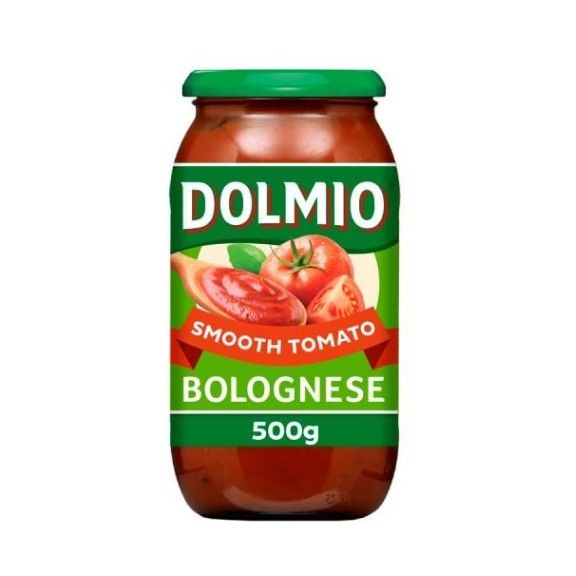
Cooking fresh and from scratch could be a realistic place to start. For every glass jar of pre-prepared cooking sauce, there is a metal lid with a plastic seal.
7. Paper or Cardboard food packaging and cartons contain Plastic
It seems obvious when you think about it… paper and cardboard are not waterproof, so how is it used so widely for food and liquid containers? These forms of containers are often promoted as a green alternative to plastic, however, they too contain plastic. As with the crisp packets and cans, a think layer of plastic is used to prevent leaks and add durability to cardboard cartons.
Tetra is the industry leader when it comes to carton packaging. Their cartons are created from high-quality raw materials and made up of approx 70% paper fibres that can be recycled many times. However, the reality is that currently less than 30% of their cartons are actually recycled. An ineffective recycling infrastructure makes the recycling process difficult, with very few recycling plants equipped to carry out the process.
The Solution to Plastic-Lined Containers
Where possible try to opt for the packaging you know can be re-used and recycled, such as glass bottles for your milk and juices. Some locations and local delivery services even supply theirs in Glass bottles with foil lids.
Taking your own food containers out and about is also becoming more popular.

8.Tampons contain Plastic
When it comes to tampons there are several areas to focus on in regard to their plastic content. Their whiter than white appearance and the fact you insert them into your body may lead you to believe they are sterile. However this not the case.
They are not classed as medical devices in the UK, therefore each tampon is individually wrapped in plastic is entirely wasteful. Then there is the plastic applicator, which is clearly single-use and destined to go straight to landfill. What about the Tampon itself? They may look like an all-natural cotton-based material, however, they are manufactured to include a thin layer of plastic to aid the insertion and removal process.
The Solution to Plastic Tampons
There are lots of great brands tackling the plastic-free period problem. Eco by Natty, Freda, OHNE, Grace and Green and TOTM to name just a few. These brands offer eco-friendly tampons, wrapped in biodegradable and recyclable packaging and with cardboard applicators or entirely applicator free. Claims of zero waste periods are now actually achievable.


9. Sanitary Pads contain Plastic
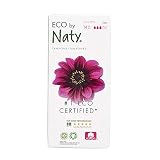
Yes! Sanitary pads are also heavily laden with plastic. Estimates suggest that as much as 90% of your pad is some form of plastic. Just like the tampon they also come individually wrapped in plastic too
The Solution to Plastic Sanitary Pads
Reusable sanitary pads are widely available now. Secure them to your underwear with poppers, then rinse and put them in with your wash. This will massively reduce your waste to landfill and be more cost-effective in the long run.

Menstrual Cup
The menstrual cup is nothing new, however, over recent years their popularity has exploded. Menstrual cups aren’t for everyone but for those women that do find it works for them describe them as transformative, wishing they had made the switch years ago. Some menstrual cups can last for up to 10 years when properly maintained, just think how much you will reduce your waste to landfill and indeed how much money you will save on throw away, single-use menstrual products.
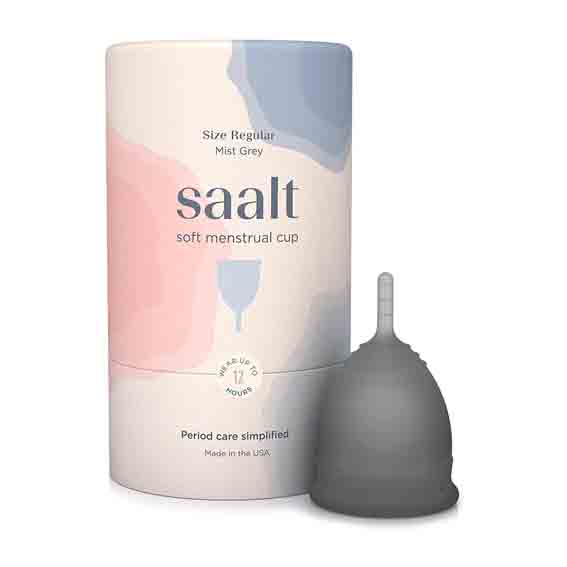
Best Selling Menstrual Cups


10. Wet Wipes contain Plastic
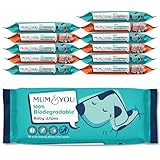
Wet wipes have become a hot topic as being one of the most surprising products to contain plastic and have such terrible environmental credentials. Recent studies have revealed that not only do the wipes come packaged in plastic, but the wipes themselves are made up of as much as 90% plastic. All too often wet wipes are disposed of entirely incorrectly. Under no circumstances should they be flushed. Our ignorance of the composition of wet wipes has been giving the water treatment companies a nightmare task of keeping them from clogging up the system. Wet wipes make up over 90% of the waste that causes such problems, and also include most make-up remover wipes.
Some brands do offer a “flushable” wipe, however, if you follow the guidance you will note that it is advised to only ever flush one wipe at a time. This advice itself raises suspicions that flushing them isn’t such a great idea!
The Solution to Plastic Wet Wipes
Compostable wet wipes are here. Eco by Natty now produces a 100% home compostable wet wipes. Due to the relatively low temperatures achieved with home composting it can be challenging to create any product suitable for the process. But they have done it!
Lots of Brands now at least package their wipes in easily recyclable packaging that is suitable for you home roadside collection.
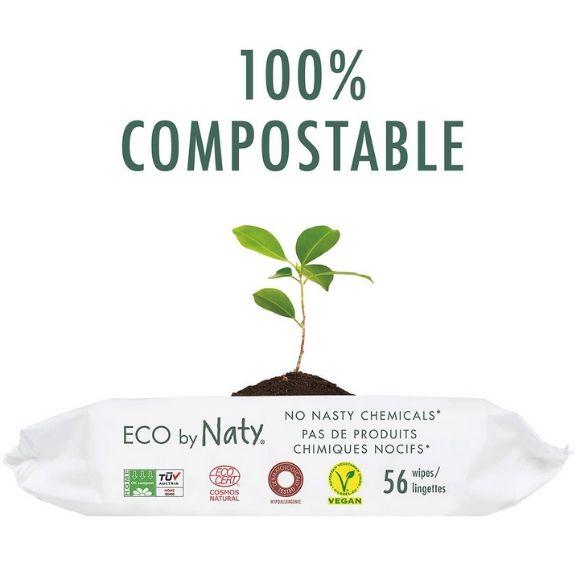
Best Selling Biodegradable Wet Wipes


11. Gift Wrapping contains Plastic
It may well be shiny and sparkly, but do you really want to give the gift of plastic wrap? These foil, sparkly types of gift wrap are most likely full of plastic and very difficult to recycle.
The Solution to Plastic Gift-Wrap
Brown Kraft paper makes for a charming, hand-made rustic look. Completed with some jute twine and some foliage from the garden the packaging of your gifts can be easily recycled or even reused.
Sticky Tape
We are all well aware that sticky tapes are quite clearly produced from plastic. Even the adhesive that does the sticking is created from and oil-based rubber resin.
Fear not! Brown paper tapes are available that revert back to more traditional natural rubber-based adhesives.

Best Selling Paper Tape


12. Cigarettes contain Plastic
Cigarettes are by far top of the plastic polluters. Not only are they a public health issue but cigarette butts are a disaster for the environment. It is estimated that over 6 trillion butts litter the planet each year which is made from a wood-based cellulose plastic, which is technically a form of biodegradable plastic. However they can take decades to do so and due to the plastic content they will biodegrade into even smaller particles, polluting the environment around with micro-plastics.
The Solution to Plastic in Cigarettes
Our advice would always be to quit smoking!
There are a few initiatives to deal with re-purposing the plastics from cigarette butts and turning them into more useful items such as waste bins.

13. Clothing contains Plastic
More than 60% of fabric fibres are believed to synthetic, plastic-based, derived from fossil fuels. The clothing and textile industry is the second-largest polluter on the planet. It is estimated that approximately 5% of landfill capacity is occupied by textiles and as we now know 60% of that is synthetic plastics and therefore will not degrade.
Check the label to see what your clothes are made of. If you see Acrylic, Polyester or Nylon then they are made from plastic. You should also be aware that each time you wash them, they shed tiny plastic fibers. These microplastics find their way into the oceans, where they are consumed by marine life and can be passed up the food chain and eaten by humans.
The Solution to Synthetic Clothing
There needs to be a two-fold approach to tackling the environmental impact of fashion, particularly “fast-fashion” where brands design their garments to effectively be throw-away items. Maybe we need to be more style-conscious and less concerned with quickly fading fashions. Secondly, we should buy quality over quantity. A few well made, stylish items to last the seasons, preferably made from natural materials such as cotton, wool, and hemp are a much better investment that constantly making fast-fashion purchases.

14. Glitter contains Plastic
Shining and glistening like teeny tiny flakes of metal you might be forgiven for not realising that glitter is of course produced from metallised plastic.
Due to its very nature glitter is a microplastic. So that time when you came home from that party and washed your glittery face-off where do you think that microplastic is now? Yes, most likely invading our oceans and possibly being ingested by marine life.
The Solution to Plastic Glitter
Eco-friendly, plastic-free Glitter
Lush now produces a plastic-free glitter that uses natural-based minerals to mimic the shimmer of traditional craft glitters. There are many brands that now produce biodegradable makeup, party and festival glitter, all entirely plastic-free.
15. Food Produce Stickers contain Plastic
A lot of us are now making the effort to avoid needlessly packaged fruit and vegetables. We’ve all seen the pointlessly plastic-wrapped three-pack of peppers in the supermarket. However, have you noticed the small stickers stuck to the peppers or your apples and bananas? Most often a branded sticker or sometimes a barcode for scanning. Yes, you guessed it, these stickers are plastic-based and will be around a lot longer than your fresh fruit and veg.
The Solution to Plastic Stickers
Buying loose at the supermarket is certainly a big improvement. However, for a truly plastic-free experience your local farm shop, market stall or greengrocers could be your best option.
